PEPTIDE RESEARCH

Research peptide testing.

Analytical characterization and bioanalysis for peptide research and development.

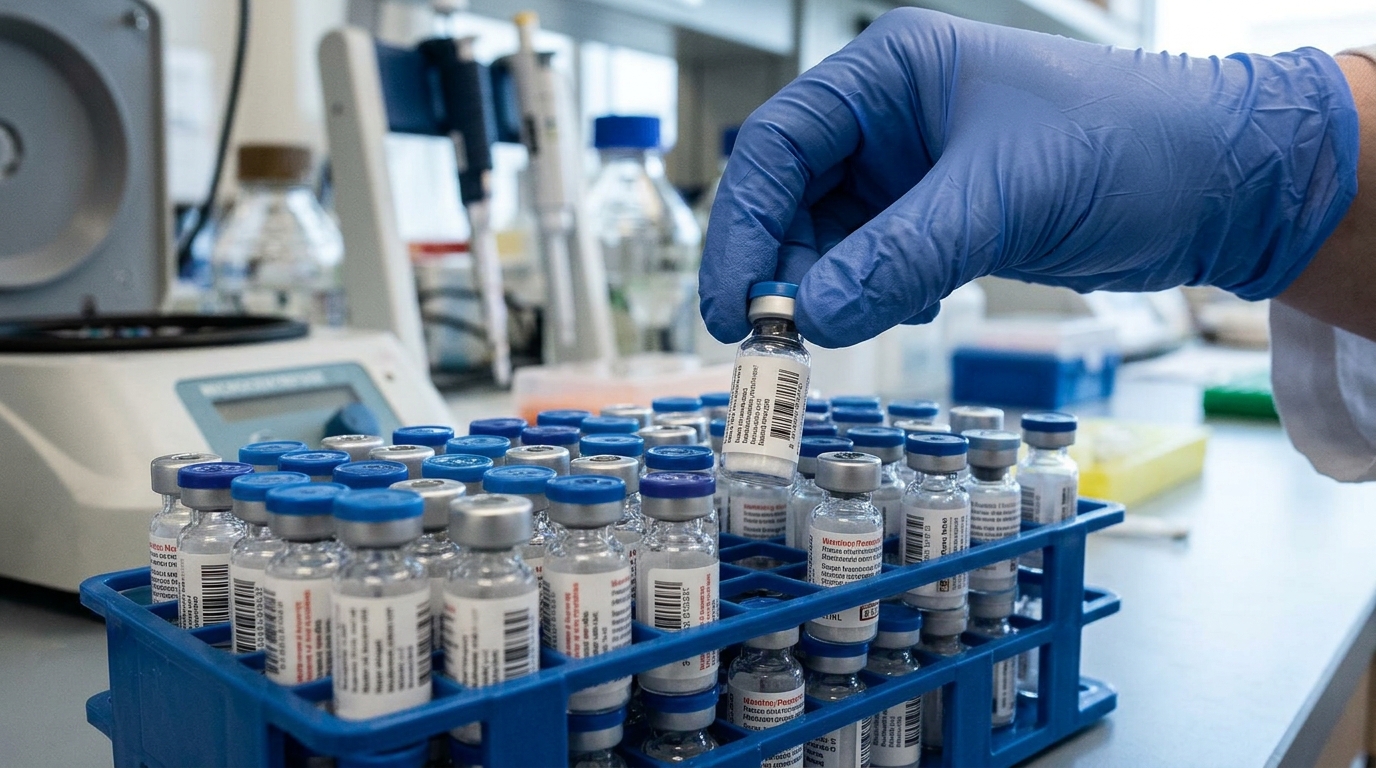
Gloved hand selecting a research sample vial from a laboratory rackRESEARCH PEPTIDES
YOUR PROJECT, IN CONTEXT

Start with what you need to know.

01

Characterization

Investigate peptide structure and composition.

02

Chromatography

Discuss separations suited to your research question.

03

Bioanalysis

Explore LC-MS/MS applications for biological samples.

04

Method development

Build or refine the approach around your project.

METHODS & INTERPRETATION

Plan the peptide measurements around your study

Peptide research may need evidence about molecular identity, related components, composition or behavior in a biological matrix. Each question calls for a defined measurement and a clear interpretation. Start with the proposed sequence and material history, then select the information needed for your research comparison or next development step.

Analytical questionApproach to considerWhat the report explains
Are two peptide lots analytically comparable?Compare like-for-like preparations using the same chromatographic method and complementary measurements where needed.Profiles and measured attributes linked to lot identifiers, with method differences called out.
Is a modification or sequence region under investigation?Discuss peptide mapping or fragmentation evidence appropriate to the structural question.Supported assignments, relevant coverage and any limitations in resolving the proposed change.
Is the peptide being measured in a biological matrix?Review extraction, calibration and matrix effects when scoping an LC-MS/MS bioanalytical approach.A concentration measurement tied to the matrix, calibration and reporting range.
Does the project require composition or content information?Discuss amino acid analysis or another suitable quantitative approach separately from chromatographic area measurements.Composition or content on an explicit basis, with preparation and calculation notes.
BEFORE YOU SHIP

A well-prepared sample starts with context.

Share the details below so the analytical scope, handling and reporting can be agreed before work begins.

Plan your submission
  1. 01

    Provide the sequence, modifications, expected mass and material form.

  2. 02

    Describe the research matrix, study purpose, expected range and comparison groups.

  3. 03

    Include lot history, previous data and the distinction between requested identity, purity-profile and content information.

RESEARCH PEPTIDE TESTING

A clear starting point.

Choose a focused HPLC panel or a broader set of quality measurements.

FOCUSED PANEL

HPLC Panel

$200per sample · USD

A focused view of the chromatographic profile.

  • Retention-time comparison for identity
  • Chromatographic purity assessment
  • Quantitative content measurement
Discuss this panel

Standard new-account pricing; existing account rates may differ. Confirm sample acceptance, method suitability and the final quotation before shipping. Research use only.

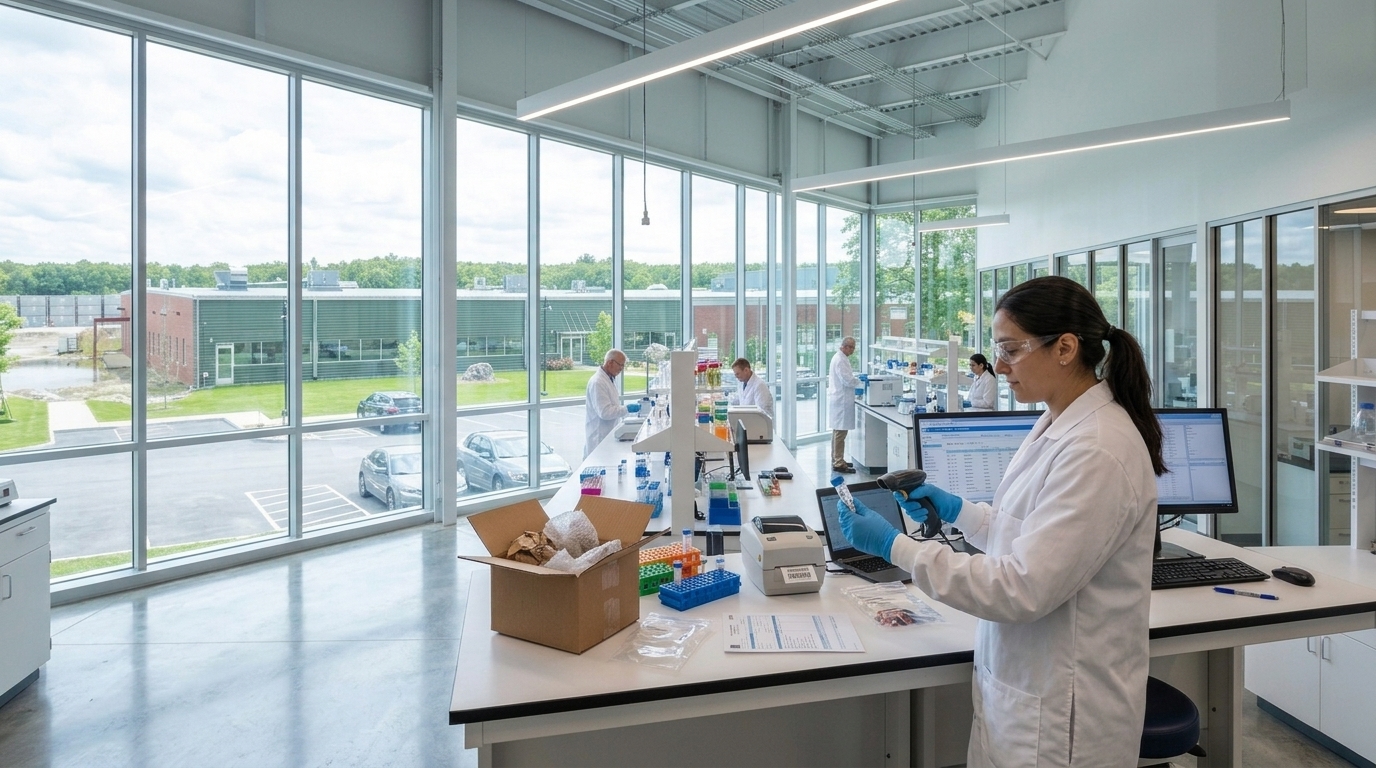
Technician scanning a sealed sample vial at a laboratory receiving workstation
A WELL-DEFINED START

The sample.
The question.
The right next step.

A useful project starts with context. Share the material, existing data and the decision your analysis needs to support.

  • Sample identity, format and available quantity
  • Requested methods and analytical objectives
  • Reporting needs and project considerations
Start a project conversation
COMMON QUESTIONS

Before your analysis.

Can a single purity number explain differences between lots?

It is one measurement under a specific method. Lot comparisons can also depend on the identity of related components, content, formulation and sample history.

What changes when the sample contains a biological matrix?

Endogenous components and extraction can influence the measured response. Matrix-specific calibration and controls may be needed to support the intended concentration measurement.

Why separate the research application from the requested analysis?

The application explains what the data needs to support; the analytical request defines what is measured. Keeping both clear helps avoid interpreting a limited result as a broader conclusion.

Let’s talk about your next project.

Bring your analytical question. Let’s define the next step.

Discuss your project